Avoid common packing mistakes before Kingston removals day
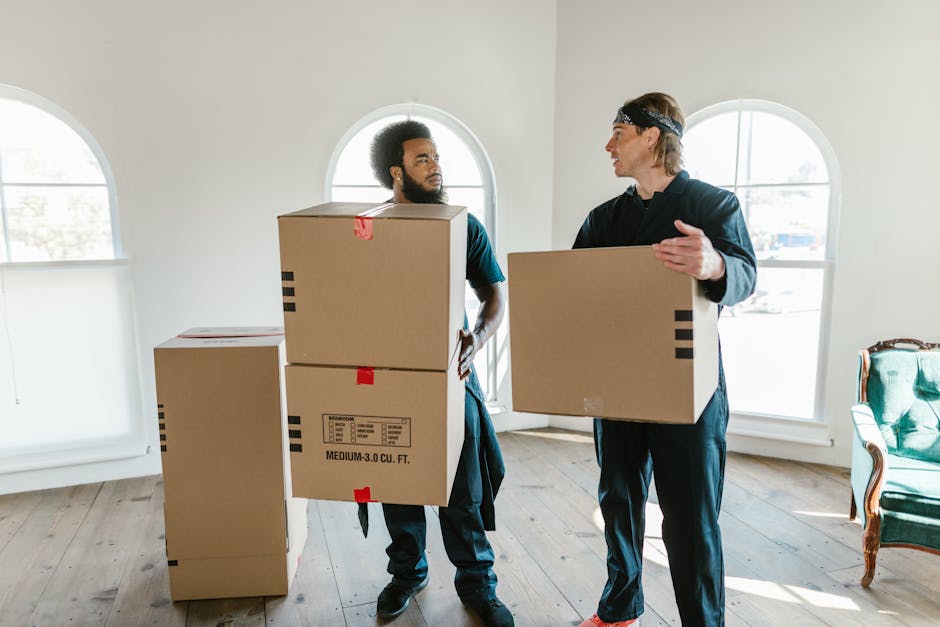
Moving house is rarely just "boxes and a van". It is labels that smudge, tape that fails, a kettle you need on the first night, and that one drawer you swore you had already sorted. If you are trying to avoid common packing mistakes before Kingston removals day, the good news is that most problems are preventable with a bit of planning and the right sequence. In this guide, we will walk through what matters, what usually goes wrong, and how to pack in a way that makes moving day feel steady rather than chaotic.
Kingston moves often involve tight streets, flats with stairs, parking restrictions, and the usual London reality of not having endless time or space. So this is not about perfection. It is about reducing stress, protecting your belongings, and making the handover smoother for everyone involved. And yes, a little discipline with packing now can save a lot of swearing later.
- Why packing mistakes matter
- How the packing process should work
- Key benefits of packing well
- Who this advice is for
- Step-by-step packing guidance
- Expert tips for a smoother move
- Common mistakes to avoid
- Tools, resources and recommendations
- Law, compliance and best practice
- Options and packing methods
- Real-world example
- Packing checklist
- Conclusion
- Frequently asked questions
Why Avoid common packing mistakes before Kingston removals day Matters
Packing mistakes do not just create clutter. They create delays, breakages, confusion, and a fair bit of mental noise at the exact moment you want things to be simple. On removals day, every poorly packed box becomes someone else's problem too. If fragile items are under-protected, if boxes are too heavy, or if labels are vague, movers have to slow down and you have to make quick decisions while standing in a hallway with no clear surface to put anything down. Not ideal.
In Kingston, this matters even more because moving conditions can be awkward. A third-floor flat, a narrow stairwell, or a loading space that disappears when you need it most can make a badly packed move feel twice as hard. Good packing helps your house removals run more efficiently, and it also makes services like man with van arrangements easier to use because the load is organised, stackable, and quicker to handle.
There is also a trust element. If your boxes are clearly packed and labelled, the team can work with more confidence. You can find items faster. Everyone has fewer "Where did the chargers go?" moments. To be fair, that one question alone causes more moving-day panic than it should.
How Avoid common packing mistakes before Kingston removals day Works
The simplest way to think about packing is this: every item should be sorted, protected, grouped, labelled, and positioned for easy unloading. That does not mean every box has to look like it came from a storage showroom. It just means each box should make sense.
A solid packing process usually follows a few stages:
- Sort first. Decide what is staying, what is being donated, and what should be recycled or disposed of responsibly.
- Pack by room. Keep bedroom items with bedroom items, kitchen items with kitchen items. Random boxes are a headache waiting to happen.
- Protect anything breakable. Use paper, bubble wrap, towels, or soft clothing where appropriate.
- Keep weight under control. Heavy items belong in small boxes, not in a massive box that nobody wants to lift.
- Label clearly. Room name, contents, and whether the box is fragile or needs opening first.
- Build a first-night box. This should hold essentials like toilet roll, kettle items, medication, chargers, snacks, and a change of clothes.
That framework works for most homes, whether you are moving from a compact Kingston apartment or a larger family house. The details change, but the logic stays the same. If you are using home moves support, packing well means the service can focus on transport and handling rather than rescuing unready boxes at the last minute.
Key Benefits and Practical Advantages
Packing properly before removals day pays off in very ordinary, very useful ways. It sounds basic, but basic is often what saves the day.
Faster loading and unloading. Clearly packed boxes stack better and make it easier to work through rooms in order. That can shorten the time spent between the front door and the truck.
Lower risk of damage. Padding, weight control, and smart box selection reduce the chances of smashed glass, bent lampshades, or crushed book corners. Not every risk disappears, but it drops a lot.
Less decision fatigue. When items are grouped sensibly, you do not have to ask yourself ten times whether the toaster is in the "kitchen" box or the "random stuff" box. Because let's face it, random stuff boxes are where order goes to die.
Better space use. Balanced boxes and consistent packing make the van load more efficient, which is especially helpful for smaller vehicle options such as removal van services or man and van moves.
Cleaner first day in the new place. If your essentials are easy to find, the first evening is calmer. You can make tea, find the bedding, and get on with life instead of hunting through six mismatched cartons.
Who This Is For and When It Makes Sense
This advice is useful if you are moving a one-bed flat, a family home, a shared house, or even a small office. Packing mistakes happen at every scale. The box sizes may differ, but the problems are the same: rushed sorting, poor labelling, and underestimating how much time packing really takes.
It is especially relevant if:
- you are moving within Kingston or nearby and have limited parking or access time;
- you are packing around work, childcare, or college deadlines;
- you have fragile items, electronics, or awkwardly shaped belongings;
- you are booking removals or removal services and want the day to run efficiently;
- you want to avoid paying for avoidable delays caused by last-minute packing.
It also makes sense if you are comparing help options, such as doing everything yourself, using a movers team, or adding packing and unpacking services for a more hands-off approach. Different households need different levels of support. There is no prize for doing it the hard way.
Step-by-Step Guidance
Here is a practical way to pack without creating avoidable chaos. Keep it simple and work through the stages in order.
1. Start with non-essentials
Begin with books, seasonal items, spare bedding, decor, and things you will not need before the move. This reduces the feeling of living inside boxes for a week. The trick is to start early enough that the process feels steady rather than desperate.
2. Clear out before you box up
Do not pay to move things you no longer use. Old cables, duplicate kitchen utensils, and broken storage baskets are classic dead weight. If something is no longer worth keeping, sort it into recycling, donation, or disposal. If you have bulky items to remove, a service such as furniture pick up may be more sensible than forcing everything into the move.
3. Choose the right box size
Small boxes suit heavy items like books and tins. Medium boxes are good for mixed household items. Large boxes should hold light, bulky things only. A large box full of hardback books is how backs get grumpy.
4. Wrap fragile items properly
Use enough padding to prevent movement inside the box. Plates should be packed vertically where possible. Glassware should not rattle. Mirrors, artwork, and screens need careful wrapping and sensible positioning. If you are moving valuable or awkward items, ask the removals team what they recommend before the day arrives.
5. Label on two sides
Write the room, the contents, and any handling notes on more than one side of the box. When boxes are stacked, you will not always see the top. A marker pen and a little discipline save a lot of rummaging later.
6. Prepare a priority box
This is the box that opens first. Keep kettle items, a few mugs, phone chargers, toilet basics, snacks, scissors, bin bags, and basic cleaning cloths in it. If you have children, pets, or medication needs, tailor it carefully.
7. Separate documents and valuables
Passports, contracts, keys, and personal paperwork should stay with you rather than disappear into the van load. Same goes for jewellery and anything that would be awkward to replace quickly.
8. Double-check the final load plan
Before the movers arrive, stand in each room and ask: what still needs packing, what is fragile, and what should be loaded last? This final check often catches the silly things. The kettle on the counter. The charger in the socket. The house keys under a cushion. Yes, really.
Expert Tips for Better Results
In our experience, the best packing jobs are not the prettiest ones. They are the ones that make sense under pressure. A few small choices can improve the whole day.
Use colour coding if your move is larger. Blue for kitchen, green for bedroom, yellow for bathroom. Nothing fancy. Just enough to make the unloading quicker.
Keep essential boxes visible. Tell the team which boxes should come out first. A visible note or bold label is enough.
Pack by weight, not by convenience. It is tempting to keep filling one box because it is already open. Resist that urge. Heavy boxes are awkward and unsafe.
Leave a small air gap only where appropriate. Not every box needs to be packed so tightly that the lid bulges, but movement inside a box is the enemy. Find a middle ground.
Take photos of complex setups. If you are dismantling desks, TV brackets, or shelving, a quick phone photo can save time later. Particularly useful on a wet weekday evening when your brain is running on tea and half a biscuit.
Communicate any access issues early. If there are parking restrictions, a narrow lift, or a long carry from the vehicle, tell your removal team before moving day. That helps with planning, vehicle choice, and timing. It is far better than discovering the issue while everyone is already holding boxes.
Use support where it genuinely helps. For some households, the smart move is to combine self-packing with a reliable vehicle option like man with a van or a more structured house movers service. There is no shame in choosing what reduces the stress.
Common Mistakes to Avoid
Most packing problems are surprisingly ordinary. That is why they are so easy to repeat. Here are the ones worth watching out for.
- Overfilling boxes. If you need two hands and a prayer to lift it, it is too heavy.
- Packing too late. Last-minute packing leads to poor sorting and broken items.
- Using weak or mismatched boxes. Soft, damaged, or badly sized boxes fail at the worst time.
- Mixing room contents. A kitchen mug next to winter scarves is a sign the process got away from you.
- Ignoring labels. "Stuff" is not a label. Neither is "misc".
- Skipping the essentials box. This is how people end up searching for toothpaste at 11 pm.
- Forgetting access and parking realities. Kingston streets and blocks of flats can be less forgiving than expected.
- Leaving loose items unbagged. Screws, shelf pins, and remote controls wander off easily. They really do.
One more thing: do not assume every item should be packed in the same way. Shoes, books, mugs, bedding, and electronics all need different treatment. A blanket is not a proper substitute for a corner protector, but it is often better than nothing. Small judgement calls matter.
Tools, Resources and Recommendations
You do not need a mountain of equipment, just the right basics. A careful setup makes packing calmer and faster.
- Strong cardboard boxes in a few different sizes
- Packing tape and a decent tape dispenser, because fiddly tape is a nuisance
- Permanent markers for clear labels
- Packing paper or soft wrapping material for breakables
- Zip bags for screws, cables, and small fittings
- Scissors or a box cutter for safe opening and assembly
- Furniture blankets and covers for protecting larger items
- Notes app or paper inventory if you want to keep track of box contents
If you are moving a business or office rather than a home, structured planning is even more important. A service such as commercial moves or office removals can help align packing, labelling, and transport around workstations, files, and equipment. Office kit has a habit of looking simple until you need to reconnect everything on Monday morning.
You may also want to review helpful pages on pricing and quotes, insurance and safety, and health and safety policy before you book any move. Knowing how a provider works is part of making a sensible choice.
Law, Compliance, Standards, or Best Practice
Packing for a move is not usually a heavily regulated activity for households, but best practice still matters. If you are moving personal belongings in the UK, you should think about safety, proper lifting, safe vehicle loading, and protecting items from avoidable damage. For businesses, there may be additional internal duties around record handling, equipment safety, and continuity planning.
Good removal providers should be able to explain how they approach safe handling, insurance, and customer responsibilities. It is reasonable to ask what happens if something is damaged, how fragile items should be declared, and what level of protection is expected from you as the customer. That kind of clarity is not fussy. It is sensible.
Responsible waste handling matters too. If you are clearing out broken furniture, packaging waste, or items that should not simply be moved from one home to another, check the provider's approach to recycling and disposal. A page like recycling and sustainability can help you understand whether a company takes that side of the process seriously.
On the customer side, read the terms before you book. It is a boring ten minutes, yes. But it can prevent misunderstandings around timings, access, cancellations, payment, and handling expectations. The same applies to terms and conditions and payment and security. Not glamorous, but useful.
Options, Methods, or Comparison Table
There is no single right packing method for every Kingston move. The best approach depends on how much time you have, what you are moving, and how much support you want.
| Method | Best for | Pros | Watch out for |
|---|---|---|---|
| Self-packing only | Small moves and organised households | Lower cost, full control, flexible timing | Time pressure, inconsistent packing, higher fatigue |
| Self-packing with removals support | Most family and flat moves | Balanced cost and convenience, better transport handling | You still need to stay organised |
| Packing and unpacking services | Busy households, larger homes, complex moves | Fast, structured, less stress on moving week | More reliance on the provider's schedule |
| Man and van for smaller loads | Short-distance moves, lighter loads, student moves | Flexible and often efficient for compact loads | Not ideal if your packing is chaotic or over-heavy |
For many people, the middle option is the sweet spot. You pack the personal items, the provider handles the transport, and the day stays manageable. If you need a smaller or more adaptable solution, man and van removals or a removal company may be the right fit. The real answer depends on scale, access, and timing, not just on price.
Case Study or Real-World Example
Picture a typical Kingston flat move on a Friday morning. The property is on an upper floor, the lift is small, and the loading space is only available for a short window. The tenant has packed some things well: books in small boxes, kitchen glassware wrapped properly, and a labelled essentials bag. But other items were rushed. One large box is overfilled with tins and plates. Another contains bathroom items, chargers, and a few loose candles. There is no clear first-night box.
What happens next is familiar. The overfilled box becomes hard to carry. The mixed-content box slows unpacking because nobody knows where anything belongs. The first evening ends with the tenant opening six cartons just to find a phone charger and a toothbrush. Not catastrophic. Just tiring. And a bit unnecessary, really.
Now compare that with a more considered approach. The heavy items are split into two smaller boxes, the first-night bag is kept separate, and each room is labelled clearly. Loading is smoother, unloading is quicker, and the new place feels like a project with a plan rather than a pile of uncertainty. That difference is the whole point of packing properly.
Practical Checklist
Use this before removals day. It will catch more than you think.
- Boxes are in good condition and sealed securely
- Heavy items are in small or medium boxes, not oversized ones
- Fragile items are wrapped and cushioned
- Every box is labelled with room and contents
- An essentials box is ready and easy to access
- Documents, keys, and valuables are kept separate
- Furniture parts and screws are bagged and tagged
- Loose cables are tied and marked
- Food, liquids, and toiletries are packed safely
- Pathways in the property are clear for loading
- Parking or access issues have been flagged in advance
- Anything not being moved has been sorted for donation, recycling, or disposal
Expert summary: The calmest Kingston removals day usually belongs to the person who packed earlier than they thought necessary, labelled more clearly than they felt like, and kept their essentials box within arm's reach.
Need a hand getting the bigger picture in place? If you are still comparing options, the site's removals near me and about us pages can help you understand who is doing the work and how they position their service. That little bit of reassurance goes a long way when the day is getting closer.
Conclusion
Avoiding packing mistakes before Kingston removals day is mostly about respect: respect for your own time, your belongings, and the people helping with the move. Pack early, keep boxes manageable, label properly, and do not leave the essentials until the last minute. Those simple habits make a real difference.
Moving day will probably still be busy. There may still be one box that goes missing for a few hours, or a sock that appears in the kitchen for no clear reason. That happens. But good packing keeps the stress at a normal level instead of a ridiculous one. And that, truth be told, is the win.
If you want a more supported moving experience, it is worth reviewing the practical options and choosing the level of help that suits your home, schedule, and budget. A well-planned move always feels easier when the packing is already under control.
Get a free quote today and see how much you can save.
Frequently Asked Questions
How early should I start packing before Kingston removals day?
Ideally, start with non-essentials one to two weeks ahead if you can. If you have a larger home or a busy schedule, start even earlier. The key is to avoid rushing the final 48 hours.
What are the most common packing mistakes people make?
The biggest ones are overfilling boxes, poor labelling, packing too late, forgetting an essentials box, and mixing items from different rooms. These mistakes make unloading slower and unpacking far more frustrating.
Should I pack fragile items myself or ask for help?
If you are comfortable and have proper materials, you can pack fragile items yourself. If you have expensive glassware, artwork, or delicate electronics, extra help or professional packing support may be worth it.
What should go in my essentials box?
Keep things you will want on the first night: toiletries, basic kitchen items, chargers, medication, a change of clothes, toilet roll, snacks, and simple cleaning supplies. Small comfort items are good too.
Is it better to use lots of big boxes or smaller ones?
Smaller boxes are usually safer for heavy items, while bigger boxes work for light but bulky belongings. A mix is best. Too many large boxes tend to become unwieldy quickly.
How do I label boxes properly?
Write the destination room, a short contents note, and any handling instruction such as "fragile" or "open first". If you can, label more than one side so it is visible when boxes are stacked.
Do removals companies help if my packing is not finished?
Some can help with the remaining items, but it is better not to rely on that as a plan. Check in advance what level of support is available and what is expected from you before the team arrives.
What if I have limited parking or narrow access in Kingston?
Tell the removals provider as early as possible. Tight access affects vehicle choice, timing, and how the load is handled. A little advance notice can prevent a lot of day-of stress.
Should I dismantle furniture before removals day?
If the furniture is large or awkward, yes, usually it helps. Keep screws and fittings in labelled bags, and take a quick photo before dismantling so reassembly is easier later.
How can I keep moving costs down through better packing?
Good packing can save time, reduce damage risk, and prevent delays. That often means fewer problems on the day. It also helps if you remove unwanted items before the move rather than paying to transport them.
Are packing and unpacking services worth it?
They can be, especially if you are short on time, moving a larger household, or want less stress during the move. For some people, the convenience is worth it. For others, partial support is enough.
Where can I check a provider's safety and policy information?
Look for pages such as insurance, health and safety, terms and conditions, and payment security. Those pages help you understand how the company works and what standards they follow.